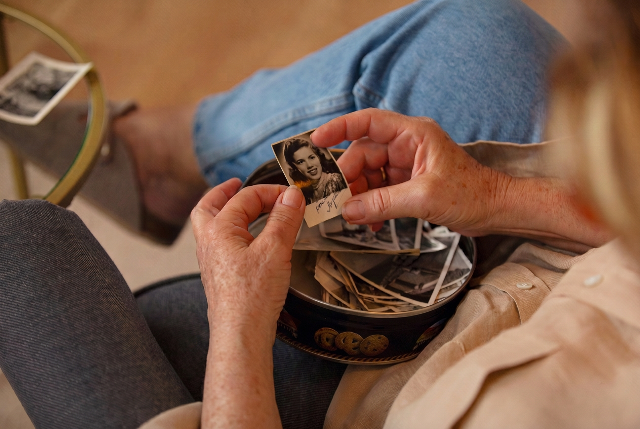
When we think about what we'll leave behind for our loved ones, our minds often go to the big things: the family home, savings, investments, and other assets we've accumulated over the years. But sometimes, the things that mean the most to us aren't worth much financially. They might be a collection we've spent years building, a necklace worn on our wedding day, a vase passed down from a great-grandmother, or a handmade Christmas ornament that comes out every December.
These everyday possessions can hold a lifetime of memories, family history, and personal meaning. But will your loved ones know the stories behind them? And will they know what you'd hoped would happen to them?
The Stories Behind the Things
A possession may look like just another household item to someone else, but its meaning can run much deeper. That old recipe box might contain your grandmother's handwritten recipes. A quilt might have been handmade by a loved one. Even a collection of holiday decorations can represent years of family traditions and memories.
The problem is that those stories aren't always passed down with the items themselves. Your children or grandchildren may not know where something came from, who it belonged to, or why you kept it for so many years.
Taking the time to share those stories can make a meaningful difference. Consider writing a short note about the history of a family heirloom, labeling old photographs, or recording a memory associated with a special possession. You might even want to put together a small collection of family recipes, stories, or traditions for future generations to enjoy. These memories and life lessons can also be included in an ethical will, sometimes called a legacy letter. This is a way to share the values, experiences, and wisdom you hope to pass along to your loved ones. (For more on this, see our article, Preserving Your Legacy: Why You Should Have an Ethical Will.)
These details may seem small, but they help preserve something much more meaningful than the objects themselves: the memories and connections that make them special.
Deciding What to Keep and What to Pass Along
One of the most meaningful things you can do with sentimental possessions is pass them along while you're still here. Rather than waiting until after you're gone for loved ones to sort through everything, consider giving family members the opportunity to choose items they'd like to keep.
For example, if you have a collection of something you've treasured over the years, you might invite your children or grandchildren to select a piece they'd like to have. This gives you the chance to share the stories behind each item, explain why it's special, and see it appreciated by someone you love. It can also help avoid the uncertainty and potential disagreements that sometimes arise when family members are left to divide belongings on their own.
Of course, not everything needs to be passed down. It's worth having honest conversations with loved ones about what they'd genuinely like to receive. Some possessions may be better donated, sold, or passed along to someone who will enjoy them. And sometimes, letting go of things we no longer need is just as meaningful as deciding what to keep. If you're thinking about what to keep and what to let go of, you may also enjoy our article on Swedish Death Cleaning, which explores how thoughtfully reducing your possessions can make things easier for the people you love.
Being intentional about what you leave behind can make things easier for your loved ones while helping ensure that the items with the most meaning find their way to people who will appreciate them.
Making Sure Your Wishes Are Known
Even with the best intentions, deciding what happens to sentimental possessions can sometimes create disagreements among family members. More than one person may have an attachment to the same item, or loved ones may have different ideas about what you would have wanted. That's why it's important to communicate your wishes and make sure they're documented as part of your estate plan.
Consider creating a list of meaningful personal belongings and noting who you'd like to receive them. You may also want to include a personal property memorandum or other appropriate instructions as part of your estate planning documents. A clear plan can reduce confusion, prevent unnecessary disagreements, and give your loved ones greater confidence that they're honoring your wishes.
Preserving What Matters Most
Some parts of a legacy can't be captured in a will or trust. The stories behind family heirlooms, the traditions we've carried on for generations, and the memories attached to everyday possessions are all pieces of our lives worth preserving. Consider writing a legacy letter, recording family stories, or simply taking the time to share these memories with the people you love.
At Sundvick Legacy Center, we take a holistic approach to estate planning, helping clients coordinate their life's dreams and goals with their values, family dynamics, and tangible assets. That includes making space for conversations about the things that hold personal meaning and the stories clients hope to pass along. A thoughtful estate plan isn't just about what you leave behind. It's also about making sure the things that matter most aren't forgotten.
By being thoughtful about what we pass along and sharing the stories that make those things special, we can give future generations something far more meaningful than the items themselves.
Sources:
https://www.apdo.co.uk/resource/blog-250318-leaving-more-than-memories.html
https://www.parentsestateplanning.com/pass-on-family-heirlooms/
https://mumfordrestoration.com/blog/passing-down-family-heirlooms

Comments
There are no comments for this post. Be the first and Add your Comment below.
Leave a Comment