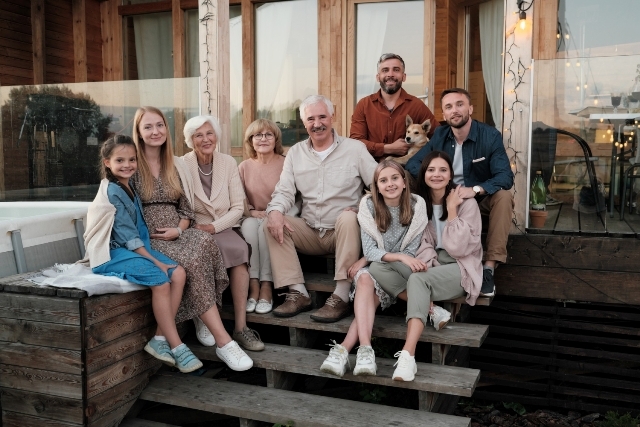
Families come in many forms, and every blended family is unique. Whether you have remarried, brought children into a second marriage, helped raise stepchildren, or welcomed children together later in life, your estate plan should reflect the people you love, the future you want to create, and the legacy you hope to leave.
Estate planning can be complicated for any family, but blended families often face additional legal and emotional considerations. An estate plan that works well for a traditional family may unintentionally leave a current spouse financially vulnerable or accidentally disinherit children from a previous relationship. With thoughtful planning, however, it is possible to protect your spouse, provide for your children, and reduce the likelihood of future misunderstandings or conflict.
Why Blended Families Need a Thoughtful Estate Plan
One of the most common estate planning mistakes in blended families is assuming that leaving everything to a surviving spouse will automatically benefit everyone. While this may seem like the simplest solution, it can create unintended consequences.
For example, if a surviving spouse later changes their estate plan, remarries, spends down assets, or passes away without updating their documents, the biological children of the spouse who died first may receive far less than intended, or nothing at all. This type of accidental disinheritance is more common than many families realize.
A carefully designed estate plan can help ensure that your spouse is financially secure while preserving your wishes for how your assets will ultimately be distributed.
Every Family Is Different
No two blended families are alike, which is why estate planning should never rely on a one-size-fits-all approach. Consider a few common situations:
- A husband wants to ensure his wife is financially comfortable for the rest of her life while making certain his children from a previous marriage eventually inherit family assets.
- A couple enters a second marriage with significant assets they accumulated before marrying and wants to keep certain property separate while building a shared future together.
- Adult children and a surviving stepparent have a strained relationship, increasing the risk of disagreements after a parent's death.
Each of these families has different priorities, relationships, and financial circumstances. The best estate plan is one that reflects your specific goals rather than relying on generic solutions.
Planning Strategies That Can Help
Fortunately, there are a variety of estate planning tools that can help blended families achieve the right balance between caring for loved ones today and protecting future generations.
A Revocable Living Trust often serves as the foundation of a comprehensive estate plan by allowing assets to be managed according to your wishes while avoiding probate.
For some families, a Qualified Terminable Interest Property (QTIP) Trust may be an appropriate solution. This type of trust can provide income and financial support for a surviving spouse during their lifetime while preserving the remaining trust assets for the biological children of the spouse who created the trust. It offers a way to care for both generations without forcing families to choose one over the other.
Life insurance can also be an effective planning tool. Rather than requiring children from a previous marriage to wait until a surviving stepparent passes away, life insurance proceeds can provide an immediate inheritance while other assets continue supporting the surviving spouse.
For families who want a surviving spouse to remain in the family home while preserving the property for children from a previous relationship, an estate plan can grant the surviving spouse a right of occupancy or create a life estate. This approach allows the surviving spouse to continue living in the home under defined terms while ensuring ownership ultimately passes according to the original owner's wishes.
Nevada Planning Considerations
Estate planning laws vary from state to state, and Nevada offers several unique advantages that can be especially beneficial for blended families. From its community property laws to its asset protection statutes, Nevada provides planning opportunities that may not be available elsewhere.
For example, keeping separate property clearly documented throughout a marriage can help avoid unintended commingling of assets. Property owned before marriage or received as an inheritance may remain separate, but if it becomes mixed with marital assets, it can be more difficult to determine ownership later. Maintaining clear records can help preserve inheritances for biological children when appropriate.
In many blended families, a prenuptial or postnuptial agreement also complements an estate plan by identifying separate property and establishing expectations for assets brought into the marriage. When paired with a well-designed estate plan, these agreements can provide greater clarity for both spouses and future beneficiaries.
Families with significant wealth, business interests, multiple real estate holdings, and other valuable assets may also benefit from advanced planning strategies available under Nevada law. Depending on your circumstances, tools such as Nevada Asset Protection Trusts (NAPTs), Dynasty Trusts, Spousal Lifetime Access Trusts (SLATs), and other specialized trusts may help preserve family wealth, protect assets, and support multiple generations. These strategies are highly customized and require careful evaluation of a family's financial circumstances and estate planning objectives.
Keeping Minor Children in Mind
If your blended family includes minor children, your estate plan should also address who would care for them if both parents pass away. In addition to naming guardians, many parents establish trusts so children inherit assets gradually rather than receive a lump sum when they reach legal adulthood.
When Equal Isn't Always Fair
Many parents struggle with whether every child should receive the same inheritance. In blended families, equal distributions are not always the right answer.
Some parents choose to leave different amounts based on financial need, previous gifts, family circumstances, or personal intentions. What matters most is that these decisions are made thoughtfully and documented clearly.
If your estate plan intentionally treats beneficiaries differently or there is concern about future disagreements, your attorney may recommend additional documentation, such as an attorney opinion letter (a document that helps demonstrate that your decisions were made knowingly and voluntarily). Depending on the circumstances, a no-contest clause may also be appropriate. These steps can help reduce confusion and discourage future disputes.
Don't Overlook Beneficiary Designations
Even the best estate plan can be undermined if beneficiary designations are out of date.
Retirement accounts, life insurance policies, and many investment accounts pass according to the beneficiary forms on file, regardless of what your will or trust says. After a remarriage, divorce, or other major life event, it's important to review these designations to make sure they still reflect your wishes. IRA Legacy Trusts and Irrevocable Life Insurance Trusts (ILITs) can help with distribution intentions, clarity, and estate tax planning. Even if there have been no major events recently, it's always best practice to review your beneficiary designations regularly.
Stepchildren generally do not inherit under state intestacy laws unless they have been legally adopted or are specifically named in your estate planning documents. If you wish to leave assets to stepchildren, your estate plan should clearly express those intentions.
The Importance of Choosing the Right Trustee
Selecting a trustee is one of the most important decisions you'll make.
While it may seem logical to appoint family members, blended family dynamics can sometimes place trustees in difficult positions. For example, naming a surviving spouse and an adult child from a previous marriage as co-trustees may unintentionally create conflict if they have different priorities or interpretations of the trust.
Determining whether a professional trustee is appropriate is an important discussion to have during the estate planning process. In many situations, an independent trustee can provide neutral administration, helping reduce tension and ensuring the trust is managed according to its terms.
Building a Legacy That Reflects Your Family
Every blended family has its own story, priorities, and relationships to consider. A thoughtful estate plan can help balance the needs of a surviving spouse, biological children, stepchildren, and future generations while reducing uncertainty for everyone involved and giving you peace of mind.
At Sundvick Legacy Center, we've helped individuals and families navigate these complex decisions for decades, creating personalized, comprehensive estate plans designed to protect what matters most. Whatever your family's circumstances, having the right plan in place today can help create the legacy you want to leave tomorrow.
Sources:
https://www.forbes.com/sites/christinefletcher/2019/04/26/6-estate-planning-tips-for-blended-families/
https://www.connorsandsullivan.com/blog/2025/10/blended-families-7-tips-for-keeping-the-peace-with-estate-planning/

Comments
There are no comments for this post. Be the first and Add your Comment below.
Leave a Comment