
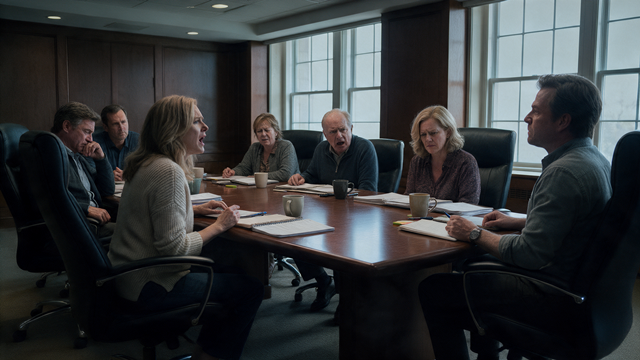
When we create an estate plan, most of us aren't thinking about family conflict. We are thinking about protecting the people we love, providing for our families, and making things easier for those we leave behind.
But what happens when the people responsible for carrying out that plan can't agree?
The estate of legendary musician Jimmy Buffett offers a very public example. Buffett passed away in 2023, leaving behind a trust created primarily for the benefit of his wife, with their three children named as remainder beneficiaries. Buffett named his wife and his longtime business manager and financial adviser as co-trustees.
Today, the two co-trustees are involved in a legal dispute in which each has sought the other's removal as trustee. The disagreement has also created tension among Buffett's children, who have taken different positions regarding the trust and its administration.
The courts will ultimately determine the legal issues involved, and allegations made by the parties remain disputed. But there is a lesson here that applies to families of all sizes and levels of wealth: even a carefully prepared estate plan cannot guarantee that everyone will agree.
What you can do is plan for the possibility of disagreement.
Choose Your Trustees Carefully
Being named as a trustee is more than an honor or a sign that someone is trusted. A trustee has important responsibilities and may have significant authority over trust assets.
That makes choosing the right person or people one of the most important decisions in an estate plan.
Sometimes, a family member is the natural choice. In other situations, a trusted friend, professional adviser, or corporate fiduciary may make more sense. There is no one answer that works for everyone.
The key is to consider whether the people you choose can carry out their responsibilities, communicate with one another, and put the beneficiaries' interests ahead of their own disagreements.
If you name co-trustees, it is also worth considering what happens if they don't agree. Your trust can include provisions addressing disagreements, successor trustees, or other mechanisms for resolving disputes.
The goal isn't to assume your trustees will have a problem. It is to avoid leaving everyone without a clear path forward if they do.
Build a Plan That Fits Your Family
Every family is different, and an estate plan should reflect those differences.
For some families, dividing everything equally among children may make sense. For others, an equal division may not reflect the family's circumstances or the wishes of the person creating the plan.
You may want to provide for your spouse while also preserving assets for children from a previous relationship. Perhaps you want a child to receive a business while other children receive different assets. Maybe you want to leave money to charity or provide for a loved one with special circumstances.
These decisions can become even more complicated when there are multiple marriages, stepchildren, family businesses, significant assets, or other competing interests.
The more complicated the situation, the more important it is to make sure your estate plan clearly reflects what you want and considers how those decisions may affect the people involved.
This is one reason estate planning shouldn't be approached as simply filling out a set of forms. Your plan should be designed around your family, your assets, and your goals, with consideration given to how those decisions will actually work when the time comes.
Consider How Your Wishes Will Be Received
Once you've taken the time to create a plan that reflects your family's circumstances, don't assume everyone will automatically understand or agree with it. Many people are comfortable leaving decisions to their children because they believe, "They'll figure it out."
Maybe they will. But grief, money, family history, blended-family dynamics, and different ideas about what Mom or Dad would have wanted can make even close relationships more complicated.
And family conflict over an inheritance is not unusual. According to Bank of America's 2024 Study of Wealthy Americans, one-third of respondents said inheritance-related issues had caused emotional strain in their families.
Consider a parent who wants to divide assets unequally among children. There may be a perfectly reasonable explanation. Perhaps one child has greater financial needs, one child has already received significant assistance, or one child has taken on a particular role in the family or a family business.
But if the reasoning is unclear, family members may fill in the blanks themselves.
Clear communication can help reduce that uncertainty.
Your estate plan should reflect your wishes, but it can also be incredibly helpful to communicate the reasons behind important decisions. Depending on your circumstances, that might include having conversations with your family or leaving a separate letter explaining your intentions and the values behind your plan.
The legal documents remain the controlling documents, but giving your loved ones context can help prevent misunderstandings and make your wishes easier to understand.
Leave Clarity, Not Conflict
None of us can control how our loved ones will react after we're gone. We can't guarantee that everyone will agree with every decision or that family relationships will never become strained.
But we can make our wishes clear and take steps to reduce the possibility of unnecessary conflict.
We can carefully choose the people we trust to carry out our wishes. We can communicate important decisions with our loved ones when appropriate. And we can build an estate plan that considers not only what happens when everything goes according to plan, but also what happens when it doesn't.
Jimmy Buffett's estate is an unusually public example of how complicated estate administration can become. Your family may never face anything like it, but the underlying lesson is one worth considering.
Your estate plan should do more than distribute your assets. It should reflect your wishes, account for your family dynamics, and provide a clear path to carrying out your plans.
Because when it comes to your legacy, the last thing you want to leave behind is a family nightmare.
Sources:
https://www.privatebank.bankofamerica.com/articles/when-to-review-update-estate-plan.html
https://finance.yahoo.com/real-estate/articles/jimmy-buffetts-widow-longtime-adviser-163000499.html
https://parade.com/entertainment/inside-jimmy-buffetts-widows-bitter-fight-over-his-275-million-estate
https://www.kmklaw.com/newsroom-publications-1926

Comments
There are no comments for this post. Be the first and Add your Comment below.
Leave a Comment